
How to Tell If Your Dispensary Is Selling You Old Weed
Discover how to spot old cannabis at dispensaries by understanding degradation and recognizing signs like muted smell, brittle buds, and discolored trichomes, to ensure you get fresh, potent products.
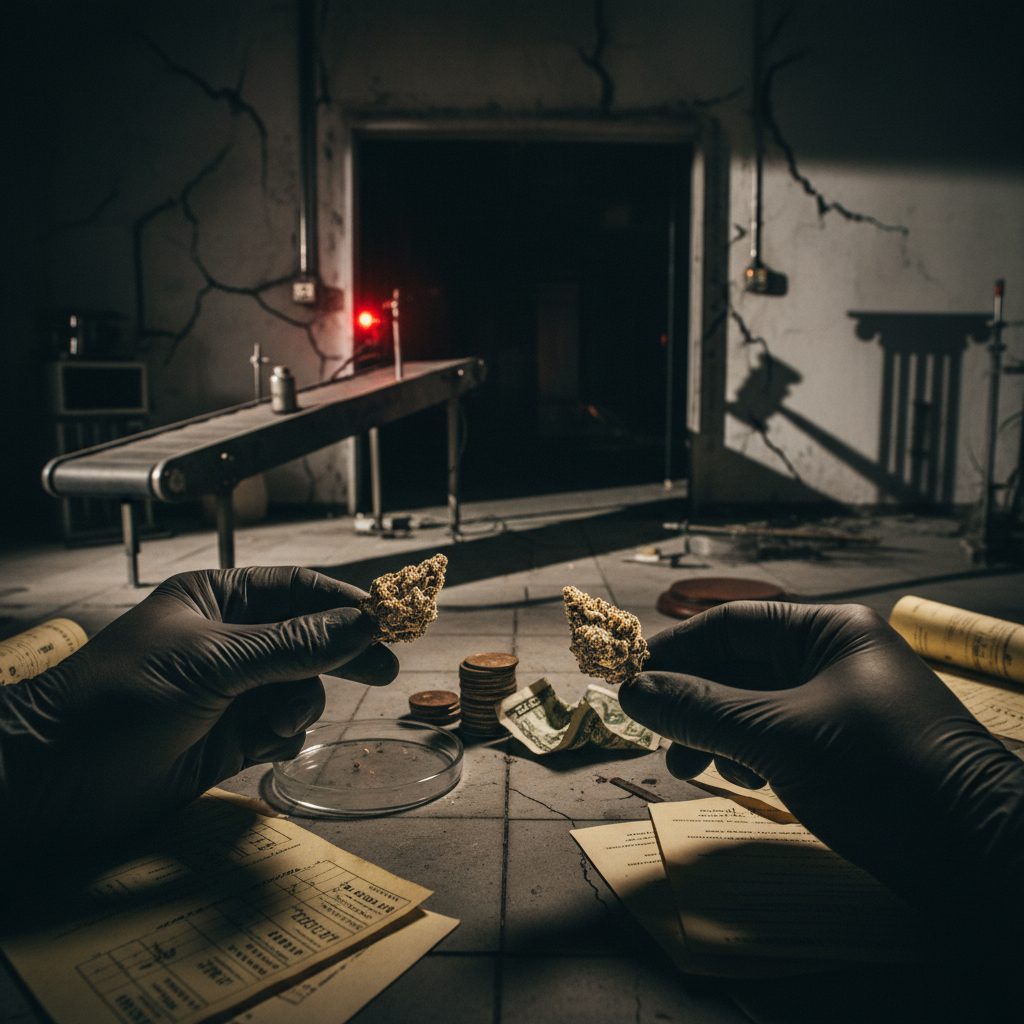
The dispensary said it was fresh. The label has a recent packaging date. The budtender swore it just came in. You take it home, break it open, and something is wrong. The smell is muted. The buds crumble to dust between your fingers. The smoke is harsh in a way that has nothing to do with the strain. You're high, technically — but the experience is flat, somehow. Less than what you paid for.
You bought old weed. You probably weren't told you bought old weed. The dispensary may not have known either, or may have known and chosen not to mention it. Cannabis quality degradation is a real phenomenon, it happens faster than most people realize, and the regulated industry has structural reasons not to be transparent about it.
Here is how to tell.
How Cannabis Actually Ages
Cannabis is a flower. Like all flowers, it begins degrading the moment it is harvested. The compounds that produce cannabis's effects and aroma — cannabinoids and terpenes — are organic molecules that break down with exposure to time, light, heat, oxygen, and humidity.
Specifically:
THC degrades into CBN. THC is the primary psychoactive cannabinoid in cannabis. Over time, particularly with exposure to oxygen and light, THC oxidizes into CBN (cannabinol), which has different and generally less desirable psychoactive effects. CBN tends to produce more sedating, less psychoactive experiences. A flower that was 22% THC at harvest may test at 18% THC and 4% CBN a year later, with a meaningfully different experience profile.
Terpenes evaporate. Terpenes are the volatile aromatic compounds responsible for cannabis's smell and much of its flavor and effect profile. They are extremely volatile — they evaporate at room temperature, accelerated by heat and exposure to air. The bright, distinctive aromas of fresh cannabis — pine, citrus, fuel, fruit, gas — fade rapidly with time. A flower that was vibrantly aromatic at harvest may smell muted and generic six months later.
Moisture content shifts. Properly cured cannabis flower has a moisture content of approximately 10–15%, which keeps the flower flexible enough to break apart cleanly without crumbling. Old flower that has lost moisture becomes brittle, crumbles into dust, and burns harshly. Old flower that has gained moisture (from poor storage) develops mold risk and texture problems.
Trichomes degrade. The crystalline trichomes on cannabis flower contain most of the cannabinoid content. Old flower's trichomes turn from clear or milky white to amber and then to brown as the cannabinoids inside degrade. Brown trichomes indicate advanced age.
Under good storage conditions — sealed glass containers, low humidity, no light, cool temperatures — cannabis can maintain quality for approximately 6–12 months. Under poor storage conditions — plastic bags, exposure to light, fluctuating temperatures, ambient humidity — quality can degrade meaningfully within 1–3 months.
Why Dispensaries Sell Old Weed
The dispensary economics that produce old weed on shelves are predictable.
Inventory turnover at dispensaries is uneven. Popular strains move quickly. Less popular strains sit. The strain you're being shown today may have been on shelves for weeks or months. The packaging date on the jar tells you when the brand packaged it, not when the dispensary received it or how long it has been on the shelf.
Bulk purchasing creates inventory overhang. Dispensaries buy from cultivators in volumes calibrated to expected demand. When demand under-performs, the surplus inventory ages on shelves rather than getting restocked with newer harvest.
MSO inventory practices prioritize their own brands. MSO retail often features house-brand product on prime shelves regardless of when that product was packaged, because corporate procurement is tied to vertically-integrated cultivation rather than to incoming demand for specific strains.
Cultivators sometimes hold inventory before sale. Cannabis cultivators dealing with fluctuating wholesale prices sometimes hold inventory in storage waiting for better market conditions. The flower that finally reaches dispensary shelves may have been in cultivator inventory for months before it ever shipped.
Older flower can be marketed at the same prices as fresher flower. Most dispensaries don't discount older flower meaningfully unless it has reached the point of obvious quality problems. The price you pay for the same packaging is roughly the same regardless of how long the product has been in inventory.
The Seven Signs You're Looking at Old Weed
Cannabis quality assessment is not arcane knowledge. The signals are observable to any consumer willing to actually look at and smell the product before purchase.
Sign one: The smell is muted, generic, or absent. Fresh cannabis flower has aromas that practically jump out of the jar when opened. The strain-specific terpene profile should be apparent immediately. If the dispensary opens the jar and the aroma is faint, generic, or just smells "like cannabis" without distinctive character, the flower has lost its terpene content. The terpene loss correlates with age.
Sign two: The buds crumble or break to dust when touched. Properly stored fresh flower is flexible. You can break it apart with mild pressure and it parts cleanly. Old flower that has dried out crumbles to dust between fingers, indicates moisture loss, and produces harsh smoke.
Sign three: The trichomes are amber or brown rather than clear or milky. A close inspection of cannabis flower (a magnifier helps but isn't required for obvious cases) reveals trichome color. Clear or milky white trichomes indicate fresh, high-cannabinoid flower. Amber trichomes indicate beginning degradation. Brown trichomes indicate substantial degradation.
Sign four: The color is faded or yellowing rather than vibrant. Fresh cannabis displays vibrant green colors with strain-specific accents (purples, oranges, etc.). Old flower fades toward brown or yellowish tones. Not all yellowing indicates age — some strains and some growing conditions produce naturally pale flower — but obvious color fading correlates with age.
Sign five: The packaging date is more than 90 days old. Most state regulations require packaging date to be displayed on cannabis products. Packaging date isn't the same as harvest date (harvest may have been weeks before packaging) but it's a useful reference point. Flower with packaging dates more than 90 days old is genuine age territory regardless of how it has been stored. Six month old packaging dates are common in slow-moving dispensaries and indicate substantial age.
Sign six: The COA test date is much earlier than the packaging date. The Certificate of Analysis testing date should be reasonably close to the packaging date. Long gaps suggest the brand is recycling old test results across multiple production runs, which usually indicates inventory management problems and product age.
Sign seven: The flower's stem snaps cleanly with a brittle break. Fresh cannabis has stems that bend before breaking. Properly cured flower's small stems will snap with a clean break that retains some give. Old, dried-out flower's stems snap brittle with no flex at all.
What to Do at the Dispensary
Cannabis dispensaries are not used to consumers actually inspecting product before purchase. Most consumers buy on label, on price, on budtender recommendation, or on brand recognition. Dispensaries that operate this way will resist your inspection at first. Be polite but persistent.
Ask to see and smell the product before purchase. Most dispensaries display jars that allow consumers to look at and smell the flower before buying. Ask. If they won't let you examine the product, that itself is a signal worth registering.
Look for the packaging date. The date is on the label by state regulation in most jurisdictions. Look for it before agreeing to purchase. Compare the date to your purchase date.
Ask about turnover. Ask the budtender how long this batch has been on the shelf. They may not know exactly. They may be willing to check. Their willingness to engage with the question is itself information.
Compare across multiple options. If you're choosing between several flowers, smell them in sequence. The differences in terpene strength will be obvious. The fresher flowers will jump out compared to the older ones.
Ask about discounting on older inventory. Some dispensaries offer pricing discounts on flower that has been on the shelf for extended periods. Asking about this often reveals which products have been there longer and may produce a discount on product the dispensary wants to move.
Take notes on what you buy and what you experience. Recording your purchases (brand, strain, packaging date, dispensary, price, your assessment of quality) allows you to identify patterns over time about which dispensaries and brands consistently provide fresh product.
What to Do with Old Cannabis You Already Bought
If you've purchased old cannabis and discovered it after the fact, several considerations.
Most dispensaries will not accept returns of cannabis products even if quality issues are obvious. State regulations in most jurisdictions prohibit returns of cannabis products for compliance reasons. The dispensary may make a goodwill gesture (store credit, replacement product) but this is at their discretion.
You can use old flower with appropriate adjusted expectations. Old flower still contains cannabinoids, just in different ratios than fresh flower. The experience will be different (often more sedating due to CBN content) but is generally not unsafe. Adjust your expectations and consumption methods accordingly.
Old flower works better in edibles than in smoking. When cannabis is decarboxylated and processed into edibles, the volatile terpene loss matters less. The cannabinoid content is what drives effects. Using old flower for cooking is a reasonable way to get value out of product that has lost its smokable quality.
Consider switching dispensaries if the problem is consistent. A dispensary that consistently sells you old product is a dispensary worth replacing. Cannabis retail in most legal markets is competitive enough that you have options.
How to Store Cannabis Properly After Purchase
Whatever the dispensary did or didn't do with the product before you bought it, you control storage from the moment you take it home. Proper storage extends the usable life of the flower meaningfully.
Use airtight glass containers. Mason jars work well. The plastic containers some dispensaries use are permeable enough to gas exchange to allow gradual quality loss. Glass jars sealed with appropriate lids preserve quality longer.
Store in a cool, dark location. Light and heat are major drivers of cannabinoid and terpene degradation. A cabinet, drawer, or closet at consistent room temperature works well. Refrigeration can be used but creates condensation problems when the container is opened.
Use humidity packs. Boveda or similar two-way humidity control packs designed for cannabis (typically 58% or 62% RH for flower) maintain optimal moisture content. Humidity packs cost a few dollars per jar and can extend usable storage by months.
Don't open containers more than necessary. Each time you open a container, you exchange air, accelerating oxidation and terpene loss. Bulk-store cannabis you're not actively using and only open the working container.
Buy quantities you'll actually use within reasonable timeframes. Resist bulk purchasing of larger quantities than you'll consume within 2–3 months. The discount on bulk purchasing is often offset by the quality loss from extended storage.
The Larger Honest Picture
Old weed at dispensaries is one of the everyday problems of regulated cannabis that the industry would prefer not to discuss prominently. It is also a problem that consumers have substantial power to address through informed purchasing.
The dispensaries selling fresh, well-stored product are doing so because their customers reward them for it. The dispensaries selling stale product are doing so because their customers tolerate it. Your purchasing decisions, multiplied across enough consumers, change the operational practices of the businesses you buy from.
The cannabis industry built itself on aesthetic claims about quality and freshness that were intended to differentiate legal product from the prohibition-era market. The aesthetic claims were marketing. The actual operational practices vary widely by operator. Knowing the difference makes you a better consumer of an industry that, in too many ways, has not yet earned the trust its marketing assumes.
Look at the flower. Smell the flower. Read the label. Ask the questions. The dispensary that sells you fresh product appreciates the engagement. The one that sells you stale product hopes you don't notice.
Notice.
Internal links:
- Pesticide-Laced Weed: The Recalls, The Brands, The Risk to Your Lungs →
- Are Cannabis Pre-Rolls Made From Floor Sweepings? →
- Why Cannabis Brands Keep Getting Sued for Inflated THC Numbers →
Named in this story?
We publish responses verbatim from anyone named here. Submit on the record or anonymously — legal reviews every reply, then it appears on this page next to the original reporting.
File a Response